CASTLE LADYHAWKE
Premier Wedding & Private Event Venue
If you and yours want to feel like true royalty, look no further than Castle Ladyhawke in the Western North Carolina mountains.
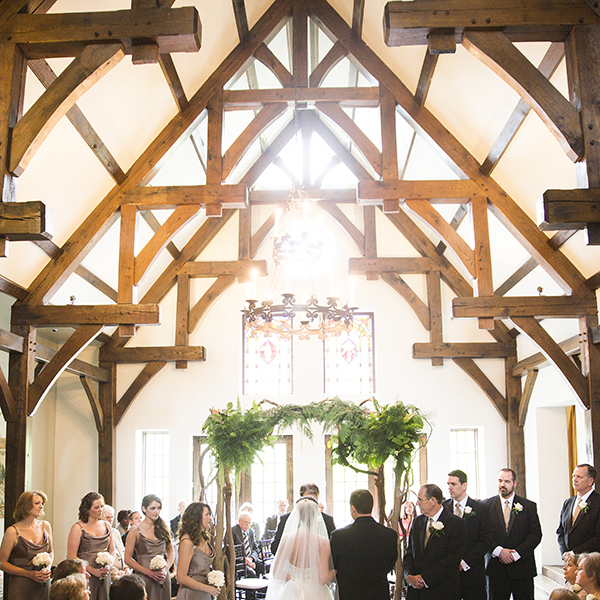
The Mountain View Lawn offers an incredibly picturesque spot to say “I do”, positioned perfectly in front of the backdrop of the Blue Ridge Mountains, while The Great Hall’s outstanding acoustics make it perfect for live music and dancing. Toss in amenity-filled accommodations at nearby Bear Lake Reserve and all that the charming mountain town of Sylva has to offer, and Castle Ladyhawke becomes a true destination wedding for couples who love the mountains.
WEDDING VENUE
WEDDING PACKAGES
WEDDING GALLERIES
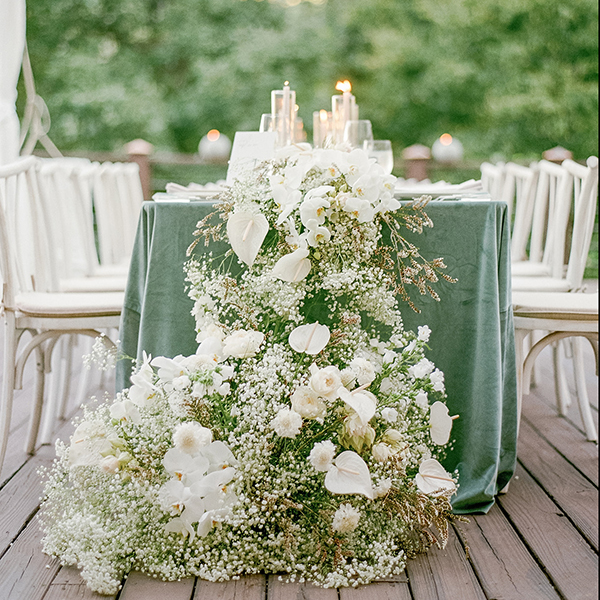
GET INSPIRED
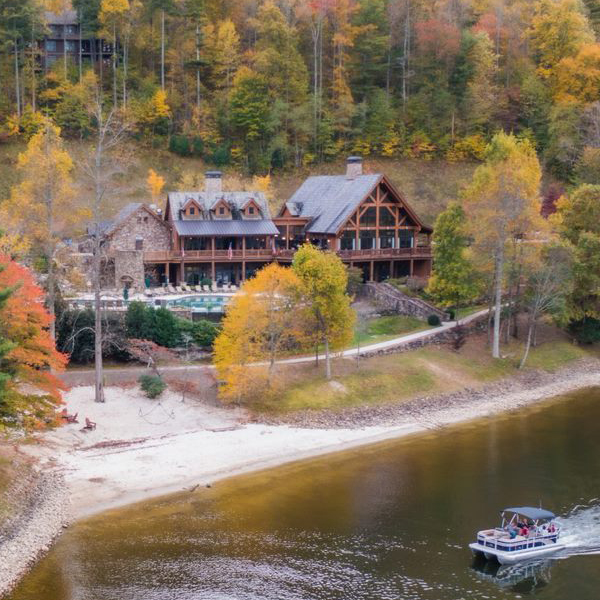
LODGING

PRIVATE EVENTS
CASTLE LADYHAWKE
Let’s Get This Party Started!
The Castle’s majestic spaces embrace its historic influences while providing the convenience of modern amenities. When you host your wedding ceremony and reception at Castle Ladyhawke, you’ll receive the royal treatment as our team takes care of the details while you celebrate with your guests!
REHEARSAL DINNER
CATERING
Our unique venue features a pair of world-class catering options. Award-winning Chefs Johannes Klapdohr and Santiago Guzzetti will ensure your event receives the five-star culinary experience you deserve!
WEDDING GALLERY
Explore some of the picture perfect weddings that have graced our estate and inspired our team.
LOCAL FLAIR
Experience art, music, culinary masterpieces, and mountain adventures in the quaint town of Sylva, NC.
LODGING
Stay at Bear Lake Reserve
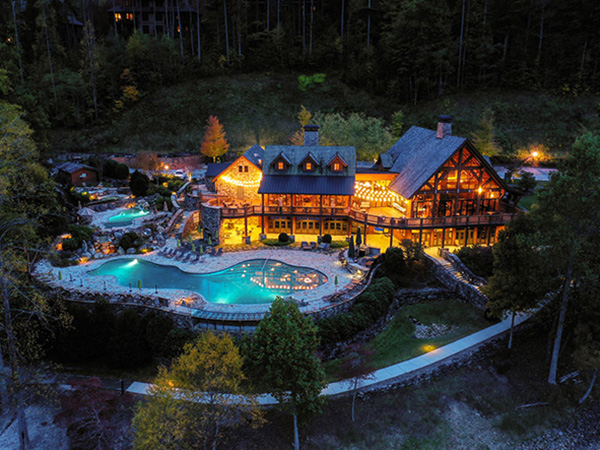
Whether you’re looking for guest accommodations or the honeymoon of your dreams, turn your magical moment into an entire weekend (or more) of fun at Bear Lake Reserve. Just 5 minutes from the Castle, Bear Lake Reserve offers a wealth of lodging options, amenities, and activities for everyone!
What is Bear Lake Reserve?
From quaint, classy cottages to spacious townhomes, Bear Lake Reserve has a wide variety of accommodations to fit the needs of you and all your guests
A little stroll through the gardens makes for a whole lot of unforgettable photos. 🌷✨
Book your special day at the link in bio.
Photo: @candcphotovideo
#castleladyhawke #castlewedding #destinationwedding


Happy Anniversary, Zahra & Scott! 🏰✨
Planner: @heatherlyeventdesign
Photo: @dylankalephoto
HAMU: @thebeauty_consultant
Transportation: @appalachian_motorcoach
Cake: @reneescakeshoppe
#castleladyhawke #castlewedding #destinationwedding

The first look isn’t just for the bride and groom. ✨
Some of the most treasured moments happen when they turn around and see the people who have supported them every step of the way. At Castle Ladyhawke, we celebrate the love of parents today and always. 🏰🤍
Book your wedding today at the link in bio.
Photo: @93weddingcollective
#castleladyhawke #castlewedding #destinationwedding

Reminiscing on this perfect wedding day at the Castle. 🌿✨
Plan your wedding today at the link in bio.
Florals: @rays_floristdesignandco
Photo: @risinglotusphotography
#castleladyhawke #castlewedding #destinationwedding

From getting ready in the Ladyhawke Suite to exchanging vows on the lawn and dancing beneath the stars, moments like these are what Castle Ladyhawke is all about. Thank you to our wonderful couple for sharing such heartfelt words. We’re so grateful to have been part of creating memories that will last a lifetime. 🏰✨
Secure your date today at the link in bio.
Photo: @darrellcassell
#castleladyhawke #castlewedding #destinationwedding #clientreview

Your vision brought to life within castle walls. 🏰🤍
Reserve your date at the link in bio.
Photo: @timelesscarolinas
Florals: @rays_floristdesignsandco
#castleladyhawke #castlewedding #destinationwedding

Perched among the mountains, Castle Ladyhawke is where timeless architecture, unforgettable views, and your forever come together. 🤍🏰
Ready to see Castle Ladyhawke for yourself? We`d love to show you around. Message us to schedule your in-person or virtual tour and start envisioning your perfect day. ✨
Learn more at the link in bio.
#castleladyhawke #castlewedding #destinationwedding #mountainwedding

Discover the beauty within Castle Ladyhawke, where every room blends charm with elegant details and a setting made for capturing cherished memories. 🤍
We`d love to help you envision your celebration here. Message us to schedule your in-person or virtual tour of Castle Ladyhawke! ✨
Learn more at the link in bio.
Photo: @thestorycreative
#castleladyhawke #castlewedding #destinationwedding

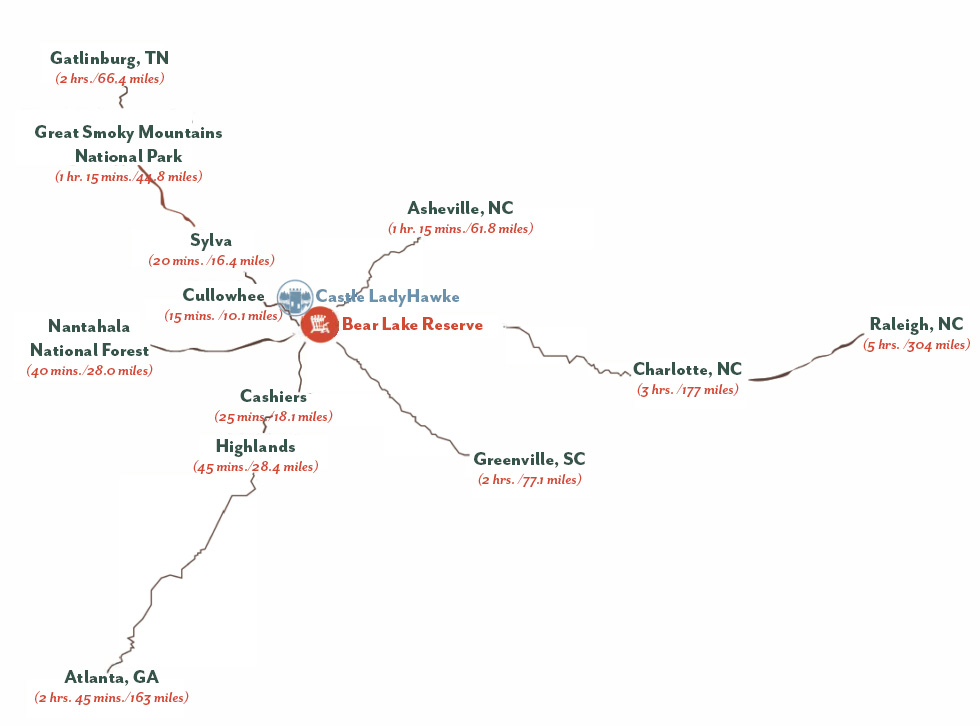
Directions
Castle Ladyhawke enjoys the dual benefits of a secluded setting with the convenience of proximity to a number of regional resources, quaint towns, and vendors. See below for driving directions from various locations.
From Atlanta
- Take I-85 North to I-985 North, merge with U.S. 23/441.
- Travel north through Franklin and into Dillsboro, NC.
- Turn right onto Business U.S. 23 (Main Street).
- Follow through downtown Dillsboro and Sylva.
- Main Street becomes NC 107 South.
- Follow NC 107 along the Tuckasegee River for 12 miles.
- Turn left onto Shook Cove Road.
- Continue on Shook Cove Road for approximately 1.5 miles.
- Look for the Castle Ladyhawke sign on the right
From Atlanta
- Take I-85 North to I-985 North, merge with U.S. 23/441.
- Travel north through Franklin and into Dillsboro, NC.
- Turn right onto Business U.S. 23 (Main Street).
- Follow through downtown Dillsboro and Sylva.
- Main Street becomes NC 107 South.
- Follow NC 107 along the Tuckasegee River for 12 miles.
- Turn left onto Shook Cove Road.
- Continue on Shook Cove Road for approximately 1.5 miles.
- Look for the Castle Ladyhawke sign on the right
From Asheville/NC Piedmont
- Take I-240 West to I-40 West (20 miles).
- Take Exit 27 – Hwy 10/23/74 to Sylva (21 miles).
- Take Exit 85 East, follow ramp to Hwy 107.
- Turn left onto 107 South.
- Follow NC 107 along the Tuckasegee River for 12 miles.
- Just past the junction of SR-281 in Tuckasegee, turn left on Shook Cove Road.
- Continue on Shook Cove Road for approximately 1.5 miles.
- Look for the Castle Ladyhawke sign on the right.
From Florida
- Take I-75 North toward Atlanta.
- I-75 merges with I-85 South of Atlanta.
- Take I-85 North to I-985 North, merge with U.S. 23/441.
- Travel north through Franklin and into Dillsboro, NC.
- Turn right onto Business U.S. 23 (Main Street).
- Follow through downtown Dillsboro and Sylva.
- Main Street becomes NC 107 South.
- Follow NC 107 along the Tuckasegee River for 12 miles.
- Turn left onto Shook Cove Road.
- Continue on Shook Cove Road for approximately 1.5 miles.
- Look for the Castle Ladyhawke sign on the right
From Knoxville, TN
- Take I-40 East toward Asheville
- Take exit 27 for US-74 W/US-23 toward US-19/Clyde
- Merge onto US-74 W/Great Smoky Mountains Expy
- Slight left onto Beta Circle Rd/Steeple Rd, then in 300ft, go left onto Cope Creek Rd
- Turn left onto NC-107 S/E Main St
- Follow through downtown Dillsboro and Sylva.
- Main Street becomes NC 107 South.
- Follow NC 107 along the Tuckasegee River for 12 miles.
- Turn left onto Shook Cove Road.
- Continue on Shook Cove Road for approximately 1.5 miles.
- Look for the Castle Ladyhawke sign on the right.